
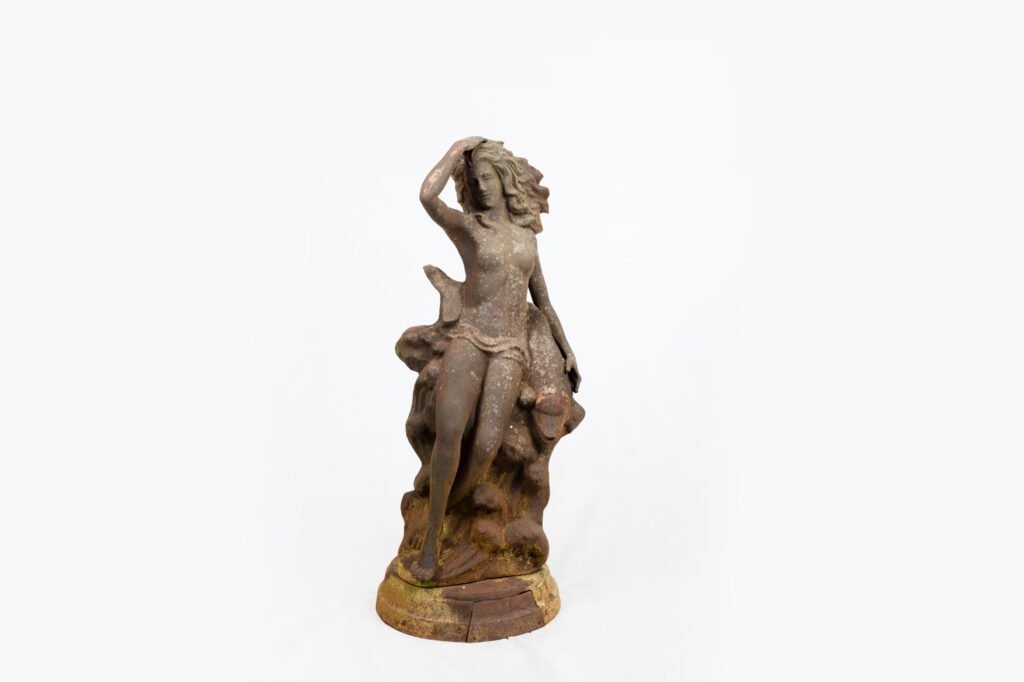

Classical garden monuments have long been associated with grand estates and formal gardens. Often regarded as symbols of wealth, education, and refined taste, they add a timeless sense of elegance to outdoor spaces while providing focal points for reflection and admiration.
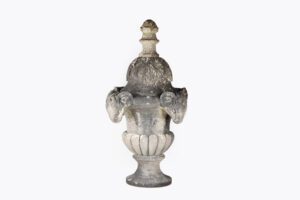
The tradition of garden monuments dates back to antiquity, particularly to Ancient Rome and Greece, where landscaped villas featured sculptures of deities, sphinxes, obelisks, and decorative urns. Following the fall of the Roman Empire, the widespread use of classical garden sculpture declined in Western Europe before experiencing a revival during the Renaissance. As Roman and Greek sculptures were excavated and classical ideals regained popularity, wealthy patrons began placing statues and monuments in the gardens of their Italian and French estates to reflect their appreciation of art and classical culture.

During the Georgian period, garden designers continued to draw inspiration from the classical world. Stone lions, allegorical sculptures, urns, obelisks, and ornamental columns became common features in landscaped gardens. At the same time, formal, symmetrical layouts gradually gave way to more naturalistic landscapes influenced by designers such as William Kent and Capability Brown.
The popularity of the Grand Tour further reinforced this trend, as wealthy British and Irish travellers returned from Italy inspired by the architecture, sculpture, and gardens they had encountered. Many commissioned classical monuments and follies to enhance their own estates, demonstrating both cultural sophistication and international experience.
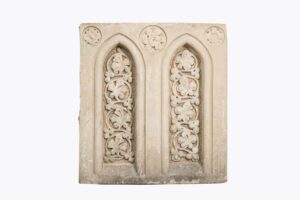
By the 19th century, ornamental monuments had become increasingly common in public parks as well as private estates. In Dublin, for example, St Stephen’s Green incorporated a number of sculptures and memorials, making monumental garden art accessible beyond the grounds of grand homes.
Today, gardens continue to serve as places of remembrance as well as beauty. In Dublin, the Garden of Remembrance honours those who fought for Irish freedom, while the Irish National War Memorial Gardens, designed by Sir Edwin Lutyens, commemorate the Irish soldiers who died during the First World War. These spaces demonstrate that garden monuments remain enduring symbols of history, memory, and artistic craftsmanship.
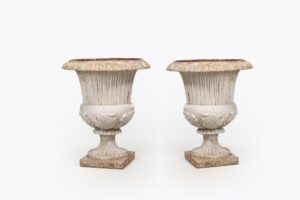
We hope you enjoy these outdoor beauties as much as we do. For any inquiries, please email us at info@osullivanantiques.com. We are always happy to hear from you.
